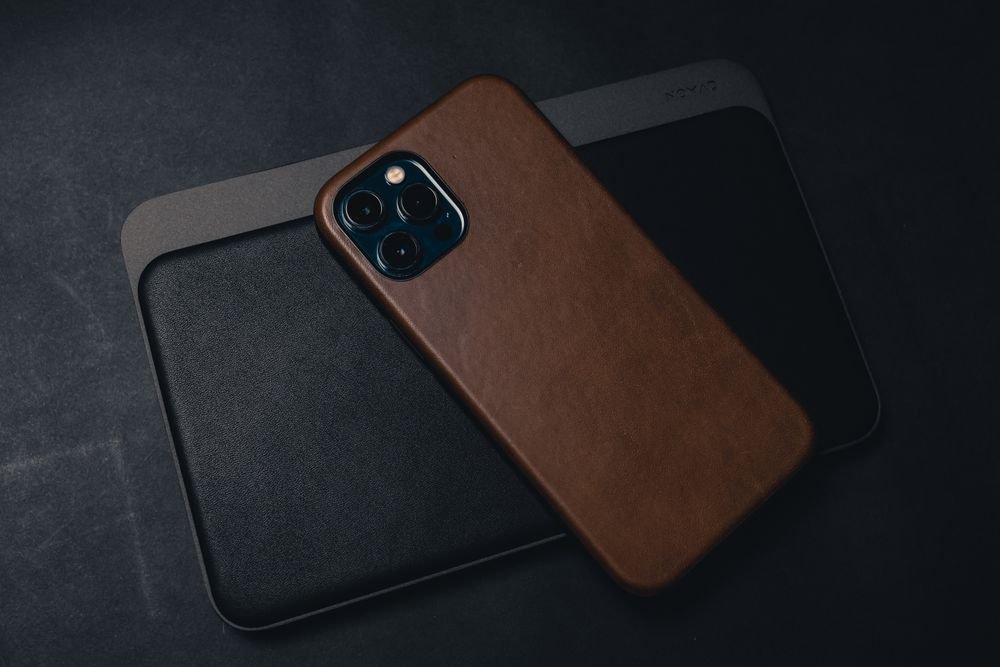
If you’re researching the current status of Sena Cases, you’re not alone. Well-known for elegant leather phone accessories, Sena Cases built a big reputation among tech-savvy buyers and small retailers alike. However, recent signs—especially those public “farewell sales” and close-out deals—have raised real questions: is Sena Cases actually shutting down, or simply changing shape? Let’s break it down, step by step.
1. Introduction to Sena Cases: Roots, Growth, and Acquisition
Sena Cases started in the late 1990s with a clear focus: premium handcrafted leather cases for mobile devices. Founded by brothers Ramsey and Fevzi Oten, Sena quickly made a name for quality and design. For many entrepreneurs and business owners, they became a model of how niche product focus and craftsmanship could pay off in a crowded marketplace.
In 2012, Sena Cases was acquired by Targus Group International. After the purchase, Targus stated that “Sena would continue to operate under its own name, with its original founders in leadership roles.” For the next decade, Sena operated as a wholly owned subsidiary—supplying retail, online, and some B2B customers with high-end accessories.
2. What’s Happening Now? Real Customer Reports and Recent Clues
Over the last year, many users and small retailers have spotted major changes in Sena’s business operations. Reports from buyers on Trustpilot, Reddit, and product forums consistently mention heavy discounts, clearance sales, and a “farewell” phase.
One example: a Trustpilot review from October 2023 simply states, “I’m saddened that this company is going out of business.” In an active Reddit thread, a user noted, “Sad to see Sena going out of business… All remaining Sena brand stock is closing out at 75% off (code: FAREWELL).”
When you see phrases like “farewell sale” and big site-wide discounts, it usually signals a business is winding down consumer sales. Sometimes this means a true company-wide shutdown. Other times, it hints at a shift—maybe away from direct sales toward licensing, wholesale, or focusing on a core business unit.
3. Official Status: What Corporate Listings Show… and the Reality Gap
To confuse things further, many data and business listing services—such as Craft, ZoomInfo, and VisualVisitor—still list Sena Cases as an active private company, complete with office addresses and contact details. Their main location is still shown as 1211 N Miller St, Anaheim, CA.
These profiles can lag behind actual company events. In general, directory sites aren’t updated in real time. They rely on old government filings or third-party updates, which can take months or years to catch up.
If you look at their website (senacases.com), you’ll still see a shell of a shop, but many products are out of stock, and those “farewell” promotions are hard to miss. This mismatch—public directories showing “active,” while customers report liquidation sales—isn’t unusual when a company changes direction or quietly winds down.
4. Is There a Bankruptcy or Formal Shutdown? What the Records Show and Don’t Show
If a business goes bankrupt or shuts down, it’s often public record—especially for larger brands. Here’s what you should know about Sena’s actual filings:
No public record currently exists of a formal bankruptcy or Chapter 7 liquidation for Sena Cases as a separate entity.
There is a bankruptcy reference for Targus Group International (the parent company) from 2016, but not for Sena itself. This filing impacted Targus’s overall business structure, not just Sena.
As of now, there is no official press release from Targus or Sena confirming a final closure or legal shutdown.
So, if you’re looking for “proof” that Sena Cases, as a company, is bankrupt or completely dissolved, you won’t find it. The more accurate description is that they are in a phase of closing out consumer business, rather than a legally formal shutdown.
5. Business and Brand: What’s Actually Closing?
Here’s the practical answer: Sena Cases is almost certainly winding down consumer-facing operations. You may see their website or brand appear here and there, but direct-to-consumer retail appears to be frozen or ending.
So what does that mean in detail?
New Product Launches: You’re unlikely to see new products, models, or designs under the Sena brand. Most listings online are marked as final sale or low stock.
Support and Warranty: Consumer support and warranty claims will likely be more difficult to resolve. If support still exists, it may be minimal, slow, or handled by Targus’s generic helpdesk.
Corporate Existence: Technically, the “Sena Cases LLC” entity can continue to exist on paper under Targus. This is more about legal and tax reasons, not day-to-day selling or design.
In short: for shoppers, it means you shouldn’t expect ongoing support, fresh products, or new warranty coverage from Sena. For small business owners thinking of buying in bulk, the risk is much higher now.
6. Implications for Consumers: What Should You Do Now?
If you already own a Sena Case or were planning to buy, here’s some practical guidance:
Support: Don’t count on ongoing customer support, speedy replacements, or warranty coverage for new purchases. Set realistic expectations from the checkout stage.
Inventory: Stock is likely limited. Products on the site now may truly be the last of their kind, so if you need a specific model, it may not be back in stock.
Discounts: Clearance sales reflect liquidation, not ongoing “perks.” Be wary of future price drops signaling further instability.
Returns/Exchanges: Set aside time to read the site’s final terms and conditions before you buy. Refunds may be slow or unavailable, especially if the business is in transition.
If you’re a reseller, entrepreneur, or someone thinking of sourcing similar products:
Supply: Dependable future supply is not likely. If you want a reliable vendor, set aside time to compare what’s left of Sena with other small brands or direct-from-manufacturer options.
Brand Collaboration: Licensing or custom collabs probably won’t happen during a close-out period. Look for newer, more stable partners if that’s important to your business plans.
7. Expert Insights: Why Brands Wind Down This Way (and How to Respond)
Retail brands sometimes “go dark” softly to avoid negative publicity, expensive legal fees, or unnecessary panic among partners. By simply clearing stock and pausing new sales, they can wrap up contracts and obligations with less fanfare. This approach leaves the legal shell of the company intact under its parent but ends consumer operations. If ongoing support is promised (warranties, for example), handling these through a parent company’s generic service desk is common.
For small-business owners and founders, this serves as a useful case study. You may own a beloved specialty brand, but if you’re acquired or merge with a larger player, product focus and brand independence can get diluted over time. When consumer trends shift, or the parent faces pressures (as with Targus’s own restructuring in 2016), smaller units like Sena often become expendable.
8. Final Checks Before Buying or Recommending Sena Cases
Before you commit money, recommend Sena Cases to clients, or buy in bulk, take these practical steps:
1. Visit their website and confirm inventory. If nearly everything shows “out of stock” or “final sale,” take this as a warning.
2. Test the support line or email once with a basic question. If response times are long or generic (or if no one answers at all), ongoing service may be gone for good.
3. Set aside time to compare warranty terms and final sale policies. Lack of refunds or limited support are red flags in any wind-down situation.
4. Look for alternatives with active support, clear warranty plans, and transparent transition notices.
If you want more tools and ideas on evaluating vendor stability, check out helpful guides at resources like Digit Business Mag.
9. Conclusion: What Can You Expect from Sena Cases Going Forward?
To sum up plainly: Sena Cases appears to be in its final phase as a consumer retail brand. There’s no indication of a formal bankruptcy or public shutdown, but the consumer business is, for all practical purposes, ending. Heavy farewell sales, low stock, and user reports make this clear—even if directory listings haven’t caught up.
Here’s what that means for you:
If you’re a consumer, don’t count on ongoing support. Any buys now are “as-is,” with long-term assurance off the table.
If you’re a business owner, reseller, or entrepreneur, treat Sena as a useful model of how acquisition can sometimes deflate a beloved niche brand. Plan for substitutes and backup suppliers long before your main vendor closes shop.
Ultimately, if support, long-term supply, and warranty service matter to you, focus on other suppliers who clearly communicate about their stability and future plans. Prepare early, and set aside time to update your supply chain or purchasing list if you need consistent support. That’s the best way to de-risk your business and keep customers happy—without getting caught by surprise as brands like Sena Cases sunset their consumer operations.
Read Also: