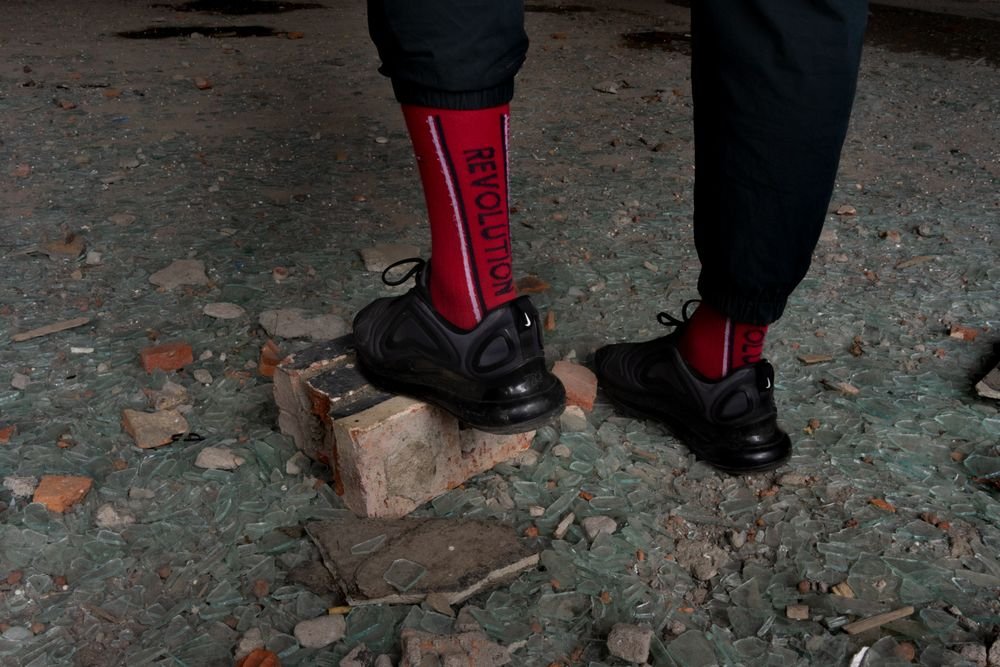
If you’ve bought patterned socks or underwear in the last decade, you may have run across Stance. In recent years, Stance became a case study in how fast-growing consumer brands can change directions—and face tough choices when market realities shift. In 2025, Stance, Inc. agreed to sell almost all its assets in a major business transition. This move left fans of the brand and industry observers wondering: “Is Stance going out of business, or is there more to the story?”
In this article, you’ll learn what happened to Stance, what it means for the brand, and what you should expect if you’re a customer, partner, or entrepreneur curious about the risks and rewards of licensing pivots in retail.
Stance’s Sale and Restructuring Explained
Stance, founded in 2009 in California, built a following in socks and apparel. Their products stood out, and partnerships (NBA, MLB, popular artists) helped fuel expansion. But as competition in direct-to-consumer retail increased and costs mounted, pressure on the business grew.
In November 2025, Stance’s leadership agreed to an “asset sale” to Marquee Brands, a New York-based brand management firm. This is not the same as a simple merger or a strategic acquisition. An “asset sale” (as opposed to a “stock sale”) often signals that the original company needs quick capital or relief from operating challenges.
Here’s what happened step by step:
- Stance, Inc. sold “substantially all” business assets (brand, inventory, and operations) to Marquee Brands.
2. Marquee Brands decided Stance would become a “licensing-only” brand. This means Stance doesn’t make or distribute its own products anymore. Instead, other companies pay to use the Stance brand.
3. United Legwear & Apparel Co. (ULAC), a major apparel licensee, took over design, development, manufacturing, retail, and online sales for Stance globally (except China).
If you’re new to licensing, set aside time to read up on the risks and advantages of this model. It lets brands scale with less overhead but also means the original owner often gives up control.
What Does the Asset Sale Mean?
For founders and small-business owners, knowing the difference between a “sale of assets” and a merger is important. In a merger, both firms combine. With an asset sale, the original company may wind down or disappear, and the new owner picks only what they want.
In Stance’s case, the “operating company” (the one running stores, hiring staff, holding leases) was mostly dissolved. Marquee kept the intellectual property (brand, designs), while operations shifted to ULAC. This is similar to what often happens when a distressed business looks for a way out while preserving value in the name.
If you own a brand or worry about exit strategies, review asset sale agreements with a legal advisor. Pay attention to which obligations (leases, warranties, debts) transfer and which stay behind. This split explains why Stance as a brand survived, while many jobs and stores did not.
From Stores to Licensing: How Stance Changed Retail Presence
Once, Stance operated its own branded retail stores in cities like San Clemente and Irvine, California. These stores created direct customer experience—a hallmark of strong consumer brands. After the asset sale, this changed quickly.
Nearly all Stance-branded stores closed, often with little public warning. Reports surfaced of closing signs appearing overnight, leaving employees with as little as two days’ notice.
Some managers reportedly received limited severance packages, but most frontline staff were simply laid off. For any entrepreneur, this is a hard lesson in the realities of asset sales.
As of early 2026, the last known physical Stance retail store was located at Disney Springs in Florida. Other outlets may still carry Stance, but standalone shops are nearly gone.
If you rely on in-person retail for your business, Stance’s abrupt switch is a reminder: direct retail can disappear fast after a sale. Store closures may affect not only your employees but loyal customers who rely on in-person experiences.
What’s Next? The Future of the Stance Brand
When a brand moves to a licensing model, its future depends largely on the licensee’s strategy and execution. Marquee Brands, which owns multiple retail brands, describes Stance as an “active portfolio brand.” Their public statements focus on repositioning Stance for future growth, especially in its core categories (socks and underwear).
ULAC, the new licensee, has experience running apparel lines for other well-known brands. You may see Stance socks and underwear sold online (stance.com, Amazon) and through large retailers, but they’ll likely be sourced, shipped, and marketed by United Legwear—not by the original Stance team. The brand’s own “About” page now talks of a “new evolution” rather than its usual founder-driven innovation.
If you are a Stance customer or a retailer, watch for shifts in product quality, fit, and customer support. Under license arrangements, standards can shift as new manufacturers and distributors come into play. Set aside time to compare customer reviews before making bulk orders or licensing agreements of your own.
Distress Signals or Smart Adaptation? What the Evidence Shows
A business transition of this scale usually tells two stories: one of urgent change, and one of attempted renewal.
Evidence of distress:
The use of “sale of substantially all assets” indicates the transaction was likely driven by urgency, not just opportunity.
Rapid shutdowns of stores and layoffs suggest the original business was no longer sustainable as-is.
Some industry observers described Stance as “cooked by private equity,” highlighting the risks when outside capital pushes fast growth or cost-cutting.
Evidence of continuity:
Marquee and ULAC continue to invest in the Stance brand and speak of plans for global growth.
The Stance.com website, email list, and social media channels are still active, signaling ongoing efforts to maintain the brand’s presence.
Online and third-party retail channels still carry Stance products, so the consumer can find many bestsellers as before.
If you are a founder or business owner, consider two key lessons: Operating companies can end or shrink, but strong brands can survive through licensing. For buyers or partners, always check who is actually making and supporting the item—it may not be the original company.
What Should Customers and Entrepreneurs Expect from Stance?
As a consumer, you will likely continue to see Stance socks, underwear, and related products for sale—especially online or at large retail chains. The company may place more focus on its proven styles and classic collections rather than experimental releases.
For business owners, this transition is a real-world example of the risks (and some strategic benefits) of switching to a license-driven model:
Pros: Lower operating costs, ability to reach broader markets, easier for the parent brand to manage multiple product lines.
Cons: Less control over manufacturing details, variable product quality, potential confusion for customers, disruption for original employees.
If your business involves wholesale, online retail, or buying from Stance, you may need to adjust your supplier agreements and watch for updates to account reps. New licensees often revise terms to fit their own processes and may close out old inventory or marketing campaigns without warning.
Set aside time to check product details and compare customer service options under the new license arrangement. If you are looking for proven consumer brands to carry in your own business portfolio, keep in mind the changes in ownership and licensing rights before committing.
A Pragmatic Look at “Going Out of Business”
Is Stance actually “going out of business”? It depends how you define it:
As an independent, founder-led company with retail stores and its own staff, Stance has indeed shut down. The asset sale and layoffs mark the end of that chapter.
As a consumer brand, Stance remains available—just made and delivered by a new team under license. Many iconic designs and collaborations will stay, but future products are chosen by ULAC and Marquee, not the original founders.
Ultimately, the Stance example may help you plan for similar industry shifts—from retail to licensing, from owning to renting a brand identity. If your goal is to remain resilient, consider how your business might move to a license or portfolio model if growth slows or cash needs change.
To deepen your understanding of brand management strategies after a major business transition, you may want to check resources like Digit Business Mag. Their articles offer step-by-step breakdowns of exit options, licensing deals, and ongoing risk management—tools that can help any entrepreneur or founder make clear-eyed decisions.
Conclusion: Stance’s Hard Pivot—And the Lessons for You
Stance’s journey shows what happens when a brand outgrows its original business model, faces tough market realities, and finds a way to keep its name alive. The original Stance company—complete with management, staff, and store locations—is gone. In its place, the Stance brand continues under new management and a licensing contract with United Legwear & Apparel Co.
For customers, Stance products will remain available, mostly online or in large retailers, though possibly with differences in quality or service as new licensees step in. For entrepreneurs, Stance’s asset sale and switch to licensing is a case study in why you should always plan multiple exit strategies, review contracts carefully, and stay realistic about growth, capital, and control.
Set aside time each year to review your own business contracts, especially if you’re considering outside investment or a major expansion. Licensing can keep your brand alive, but trade-offs exist, including reduced control and sudden pivots in operations. As Stance’s story shows, a brand can survive—but everything else can change fast.
In general, staying informed, maintaining flexibility, and watching trends in asset sales and licensing can help you make careful, resilient decisions in your own business journey.
Read Also: