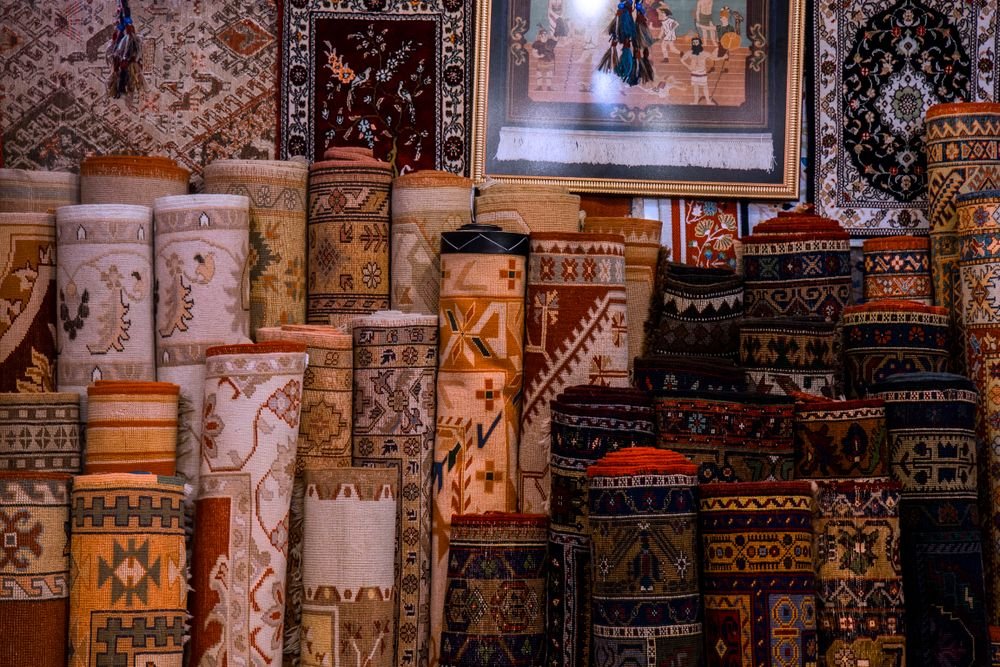
Karastan Carpet has long held a special place in both homes and showrooms. If you follow flooring or design news, you might have seen rumors or worried questions: Is Karastan going out of business? For homeowners, design professionals, or anyone researching carpet brands, this uncertainty creates confusion—and questions about quality, choices, and future support.
Here’s what to know. Karastan is not disappearing as a brand. Its carpets and rugs are still available. But some behind-the-scenes changes—especially related to manufacturing—are fueling the speculation. Let’s break down what’s accurate, what’s changed, and what it means for business buyers and consumers.
Karastan Brand Overview
Karastan is not a standalone company. It’s a premium carpet and rug brand that sits under the Mohawk Industries umbrella. Mohawk Industries is the largest flooring company in the world, operating a portfolio of well-known brands. Karastan products, from broadloom carpet to area rugs, are marketed and distributed alongside other Mohawk offerings.
This is important for two reasons:
- Brand continuity: When you see Karastan in stores or online, you’re looking at a brand actively managed by a major flooring company.
2. Product support: Karastan-branded products continue to be made, sold, and warranted under Mohawk’s guidance. You can expect customer service, informational resources, and dealer support to continue—although some products have changed.
Karastan has cultivated a reputation for luxury, especially with its wool carpets and area rugs. Over the years, its Eden, North Carolina plant stood as a symbol of high-quality, American-made wool carpets.
Manufacturing Changes: The Eden, NC Facility Closure
Much of the anxiety around Karastan’s future stemmed from changes at its Eden, North Carolina facility. For decades, this factory produced premium wool rugs that defined the Karastan name. In 2021, Mohawk Industries made the decision to cease production of woven wool rugs in Eden.
Here’s what led to this change:
Market shifts. Synthetic carpets and imported offerings have become more dominant in the U.S. flooring sector.
Manufacturing efficiencies. Moving operations allows Mohawk to leverage larger, more efficient facilities and overseas suppliers.
What closed was not “Karastan” but the specific U.S.-based wool weaving operation. Mohawk consolidated some Karastan carpet production at other facilities, including locations in Georgia. Some rug manufacturing was moved overseas, where Mohawk already produces other brands and products. The Eden shutdown marked the end of new wool pile rugs made in that facility under the Karastan name.
Product Line Adjustments: From Wool Rugs to Synthetics
If you remember Karastan as “the American wool rug brand,” things have definitely changed. After shutting down Eden’s rug production line, Karastan shifted its focus:
Fewer new wool products. Legacy (made-in-Eden) wool pile rugs were discontinued, and many unique patterns ended.
More synthetic choices. You now see an expanded selection of synthetic fiber rugs and carpets. These use materials like nylon or polyester—often more affordable and stain-resistant than wool.
Greater sourcing diversity. Some Karastan rugs are now manufactured overseas, using designs and quality standards overseen by Mohawk Industries.
If you are searching for the classic, U.S.-made wool Karastan rug your family had, be aware: most of those haven’t been made since 2021. However, “Karastan” as a brand continues, now covering a broader, sometimes more affordable spectrum.
How Does This Affect Specific Rug Lines?
Many classic patterns and original wool products have been phased out. If your plan is to match an existing Karastan wool rug, you’ll probably need to search secondary markets or closeout inventories. In contrast, if you’re looking for new designs in synthetic fibers or blends, Karastan’s current collections still provide a range of styles, colors, and sizes.
Product lines such as “Renaissance” or “Original Karastan” wool collections are no longer part of the active catalog. Synthetic lines, often with stain-resistant treatments, dominate new offerings.
Consumer Impact: Availability, Perception, and Choices
So what do these changes mean if you’re shopping for carpet, specifying flooring for a project, or supporting a customer?
Here’s what to know:
- Karastan-branded products remain available.
You can still find Karastan carpets and rugs through authorized dealers, flooring retailers, and e-commerce sites. The product mix may shift over time, but the brand is not defunct. - Made-in-Eden wool rugs are now a legacy product.
If you want one of these specific wool rugs, prepare to hunt through closeout suppliers, secondary markets (such as estate sales), or resale platforms. - Quality perceptions may vary.
Some longtime Karastan fans consider the Eden-made wool rugs superior, both for durability and design. Newer synthetic or imported rugs differ in look and feel, though they can be easier to maintain and more budget-friendly. - Pricing reflects production changes.
Expect pricing on legacy wool products to climb as inventory disappears, while newer synthetics usually cost less per square foot.
How to Choose a Rug or Carpet Now?
It depends on your priorities and budget. Here’s one way to approach it:
Vintage Value: If you want a U.S.-made wool rug for its history and feel, buy now if you see one. These will become rarer over time.
Practical Features: If stain-resistance, affordability, or broad color options matter most, current Karastan offerings (synthetics and blends) may actually be more suitable.
Brand Commitment: Mohawk stands behind Karastan’s warranty and quality standards for current production, but keep paperwork and receipts as policies (and suppliers) evolve.
Set aside time to compare fees, terms, and eligibility before you apply—especially if you’re buying through a dealer or third-party platform. Warranties, return policies, and fiber content may differ greatly between old and new Karastan products.
Karastan’s Stability as a Brand (and What the Future Holds)
If your worry is about long-term availability, here’s the risk outlook. While the face of Karastan has changed, it remains an active, Mohawk-managed brand. Sales of newer synthetic rugs and carpets help sustain the product line.
Still, the shift away from legacy wool production reflects a broader flooring trend: imported and synthetic products continue to take market share. For Karastan fans, that means adapting expectations—and acting quickly if you value the original, Eden-made styles.
Current industry experts suggest that Mohawk will keep supporting Karastan because of its strong brand equity and presence in showrooms across the country. Market demand will continue to dictate whether more wool rugs eventually return—though the economics make this less likely.
Expect ongoing adjustments. Major manufacturers, including Mohawk, routinely realign portfolios to match consumer demand, supply chain shifts, and new product innovations. As of now, Karastan remains a premium name in the Mohawk roster, and products using that brand are still marketed across North America.
Additional Resources
If you’re researching Karastan for a renovation, design project, or business resale opportunity, here are a few practical next steps:
- To find current Karastan rug availability, visit established flooring retailers or the Mohawk/ Karastan official websites. These sources provide the most up-to-date catalogs and local dealer listings.
2. Compare current vs. legacy products. If you’re after the original Eden-made wool rugs, check specialty resellers, estate sales, and collector forums. Be cautious and ask for provenance or manufacturing details; some modern Karastan rugs may look similar but use different materials and origins.
3. Ask questions before buying. Request documentation about fiber content, country of origin, warranty support, and care instructions. This helps you make a well-informed, low-risk choice.
4. Stay informed about business updates and product launches. Trade publications and small business news outlets are helpful. A resource like Digit Business Magazine offers periodic updates on flooring industry changes, brand transitions, and consumer guidance.
If you have specific questions—such as discontinued patterns, warranty coverage for older rugs, or locating a matching product—contact Mohawk Industries or an authorized Karastan dealer. They can provide catalog archives, cross-references, or replacement guidance.
Conclusion
To answer the headline question: No, Karastan is not going out of business as a brand. It remains a prominent part of Mohawk Industries’ offerings. The shutdown of Eden’s wool rug facility does signal the end for a certain kind of American-made carpet, but not for the Karastan name or product line overall.
As you plan a purchase or project, weigh the pros and cons of wool vs. synthetic, legacy vs. current production, and dealer support vs. secondary market finds. Brand stability looks strong for now, with ongoing product support for current lines. However, those seeking heritage Eden-made wool rugs may find that it pays to act sooner rather than later.
Set aside time to read product labels, research sellers, and clarify warranty terms if you’re investing in Karastan—especially if long-term value and care are important to you. With a little research, you can still enjoy the Karastan brand—just with new expectations and product choices.
Read Also:
- Is Under Armour Going Out Of Business?
- Is Greenworks Going Out Of Business?
- Is Fuggin Vapor Going Out Of Business?